
Happy 1-year anniversary Rod
Happy 1-year anniversary at Z&Z Medical!
We’re so grateful to have you on the team and appreciate all the hard work and positivity you bring every day. Here’s to many more great years ahead!

Happy 1-year anniversary at Z&Z Medical!
We’re so grateful to have you on the team and appreciate all the hard work and positivity you bring every day. Here’s to many more great years ahead!

We’ve covered a LOT these past two months…
✔ Radiation safety
✔ PPE & garment selection
✔ Inspections & compliance
✔ Disposal & sustainability
✔ Lead vs. lead-free options
Now it’s time to take action.
At Z&Z Medical, we’re more than a supplier—we’re your solution partner.
✔ Need help choosing the right protection?
✔ Need fast turnaround options?
✔ Need guidance you can trust?
We’re here for all of it!!!
Let’s build a safer imaging environment—together.
#RadiationSafety #RadiologyLife #HealthcareSafety #ImagingSolutions #ZZMedical #LeadAprons #ALARA
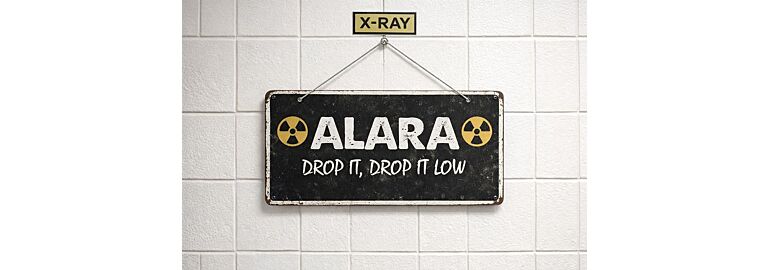
In radiology, we live by one golden rule: ALARA – As Low As Reasonably Achievable.
It’s the foundation of radiation safety, guiding everything we do to protect patients and staff.
But after this week… we’re going with: “ALARA: Drop It, Drop It Low”
Because radiation safety is serious… …but a little humor keeps the team going
Happy Friday from your friends at Z&Z Medical
Healthcare professionals know that finding veins quickly and accurately can make all the difference during IV starts, blood draws, and other clinical procedures. That’s why vein finder technology has become an essential tool in hospitals, clinics, labs, and outpatient settings.
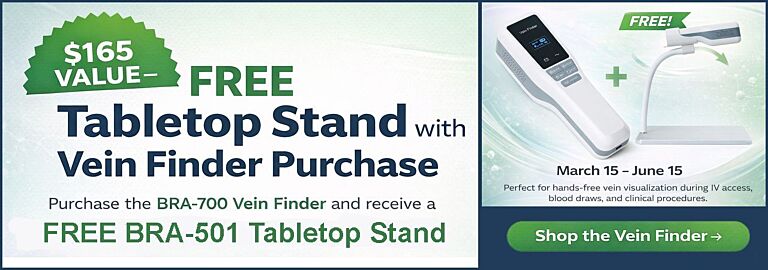
For a limited time, Z&Z Medical is making it even easier to upgrade your workflow. From March 15 through June 15, every purchase of the BRA-700 Vein Finder will include a FREE BRA-501 Tabletop Stand, a $165 value.
The BRA-700 Vein Finder helps clinicians visualize veins more easily, reducing guesswork and improving patient comfort. By projecting vein patterns onto the skin, it helps clinicians and helathcare proffesionals locate veins faster and with greater confidence.
Key benefits include:
• Improved vein visibility for difficult access patients
• Reduced need for multiple needle sticks
• Increased efficiency during procedures
• Portable and lightweight handheld design
• Ideal for hospitals, clinics, labs, and outpatient centers
While the BRA-700 works great as a handheld device, the BRA-501 Tabletop Stand adds an entirely new level of convenience.
The stand allows you to:
• Position the vein finder precisely where needed
• Keep both hands free during procedures
• Maintain steady, consistent visualization
• Improve workflow efficiency
This hands-free capability is especially helpful during IV insertions, blood draws, and clinical training environments.
From March 15 through June 15, when you purchase the BRA-700 Vein Finder, you’ll automatically receive the BRA-501 Tabletop Stand at no additional cost.
This promotion offers a $165 value completely free, helping you get even more functionality from your vein finder investment.
If your facility has been considering adding a vein finder to your clinical tools, this promotion is the perfect opportunity.
Upgrade your workflow, improve patient care, and enjoy the added convenience of a hands-free stand — all while saving money.
Shop the BRA-700 Vein Finder today
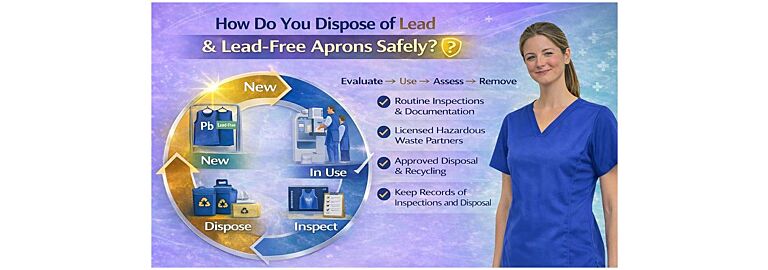
How Do You Dispose of Lead & Lead-Free Aprons Safely?
Radiation protection doesn’t end when an apron wears out. In fact, how you dispose of protective garments is also important. Lead aprons—and even lead-free alternatives—require proper handling at end-of-life to ensure staff safety, regulatory compliance, and environmental responsibility. At Z&Z Medical, we help facilities not only choose the right protection—but also understand what to do when it’s time to replace it.
Why Proper Apron Disposal Matters
Radiation protection garments are designed to shield—but when damaged or retired, they can become a liability if handled incorrectly.
Simply put: these are not standard waste items.
When Should an Apron Be Removed from Use? Before disposal comes evaluation. A structured inspection process helps determine when an apron is no longer safe:
Regular inspections—at least annually—are key to maintaining safety and compliance.
How do you Dispose of Lead Aprons? Lead aprons must be treated as regulated or hazardous material depending on your location. Safe disposal options include:
1. Licensed Hazardous Waste Facilities that Accept lead-containing materials and follow strict environmental handling protocols
2. Recycling Programs that recycle lead for reuse and reduces environmental impact
3. Lead Apron Manufacturers often take-back lead aprons or provide disposal services and often include documentation for compliance
4. Professional Disposal Partners simplify logistics, documentation, and compliance and are often ideal for multi-location or high-volume facilities
BUT… It is very Important to never place lead aprons in regular trash or general waste streams!!!
What About Lead-Free Aprons? Do you have to recycle those too? Lead-free doesn’t mean disposal-free. These aprons are made with materials like Bismuth, Tungsten, Antimony or Composite blends. While often more environmentally friendly, they still require proper disposal or recycling based on material composition and local regulations. Keeping records of inspections and disposal is essential for audit readiness and compliance. A strong apron disposal process should include:
✔ Routine inspection and documentation
✔ Clear rejection criteria
✔ Inventory tracking of removed garments
✔ Approved disposal or recycling partners
✔ Staff training on reporting damage
Why It Matters More Than Ever: Radiation safety is about more than protection during procedures—it’s about total lifecycle management. From selection…to daily use…
to final disposal… Every step plays a role in protecting:
At Z&Z Medical, we go beyond supplying products. We are Your Partner in Radiation Safety! We can help navigate options across multiple manufacturers and provide support across your department needs. Because safety doesn’t stop at the procedure—it continues every step of the way. Email us at info@zzmedical.com with any questions you may have.