
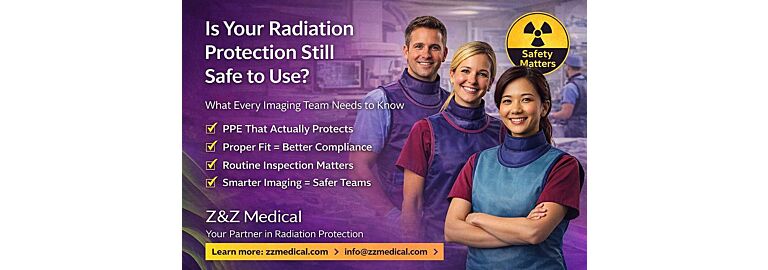
Radiation Safety in Healthcare: What Every Imaging Team Needs to Know
Healthcare professionals working in radiology, interventional suites, and other imaging environments are exposed to ionizing radiation every single day. From standard x-ray departments and fluoroscopy centers to CT and cath labs, this exposure is part of the job—but managing it safely is critical. Procedures like C-arm–guided fluoroscopy, commonly used in interventional surgery, can produce significant radiation levels, and making proper safety practices essential for protecting clinical teams. Without the right precautions in place, repeated exposure can lead to serious long-term health risks, including cataracts, skin damage, infertility, and increased cancer risk, as noted by the World Health Organization (WHO). So what does real-world radiation safety actually look like in today’s healthcare environments?
Practical Radiation Safety: What Healthcare Workers Should Be Doing
Radiation safety isn’t just about guidelines, it’s about daily habits, proper shielding, and informed decision-making.
1. Wear the Right Protection—Every Time
Radiation personal protective equipment (PPE) is your first and most important line of defense. Essential protection includes:
- Lead aprons
- Thyroid shields
- Lead glasses
- Protective gloves (when applicable)
When properly fitted and maintained, radiation protection garments can dramatically reduce exposure. The key isn’t just wearing PPE—it’s wearing the right PPE for your procedure, your role, and your comfort.
2. Fit, Comfort, and Compliance Matter More Than You Think
If Radiation PPE is uncomfortable, heavy, or poorly fitted—it won’t be worn correctly (or consistently). That’s where many facilities struggle.
Today’s options include:
- Lightweight lead-free and composite materials
- Two-piece vest & skirt systems for weight distribution
- Custom-fit garments for extended procedures
A properly fitted apron reduces fatigue, improves posture, and increases compliance across your team—which directly impacts safety.
3. Training & Education Are Non-Negotiable
One of the biggest gaps in healthcare today is inconsistent radiation safety education.
Ongoing training ensures:
- Staff understand risks and best practices
- New technologies are used correctly
- Safety protocols are consistently followed
Facilities that prioritize education consistently can see lower staff radiation exposure levels and better work flows.
Why Z&Z Medical Is Your Radiation Safety Partner
Radiation safety can feel overwhelming—but it doesn’t have to be. At Z&Z Medical, we don’t just supply products—we help you:
✔ Can help evaluate your current protection program
✔ Identify gaps and risks
✔ Compare options across multiple top manufacturers
✔ Balance protection, comfort, budget, and availability
✔ Respond quickly when urgent needs arise (like recalls or replacements)
Whether you need immediate solutions or long-term program guidance, our team is here to help you make the right decisions with confidence.
Radiation safety is not a one-time checklist—it’s an ongoing commitment. The combination of:
- Proper Radiation PPE
- Smart work habits
- Ongoing training
- Regular garment inspection
…creates a safer environment for everyone involved. And when questions come up—as they always do—having a trusted partner like Z&Z Medical makes all the difference!