Radiation Protection

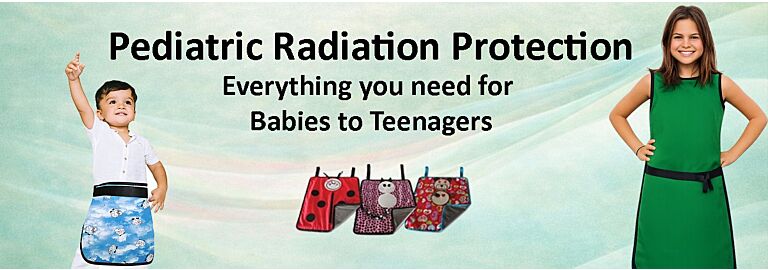
Pediatric Radiation Protection: From Infants to Teenagers, Safety Comes First
5 view(s)

Pediatric Radiation Protection: From Infants to Teenagers, Safety Comes First

When it comes to radiation safety, children require special consideration. Their developing bodies are sensitive to radiation exposure, making proper shielding not just recommended—but essential. At Z&Z Medical, we offer a full line of pediatric radiation protection garments designed specifically for infants, children, and teenagers, helping imaging departments protect their smallest patients with confidence.


Why Pediatric Radiation Protection Is Different. Children are not simply “small adults.” Their growing organs, higher cell division rates, and longer lifetime exposure risk, all increase the importance of properly sized, well-fitted radiation protection garments. Using adult aprons on pediatric patients can lead to poor coverage, excessive weight, and discomfort or improper positioning. That’s why pediatric-specific radiation protection matters.


Complete Pediatric Radiation Protection — All Ages Covered

Z&Z Medical offers radiation protection solutions for Infants & Babies with small-scale sizing for neonatal and pediatric imaging that is designed to protect without restricting movement. We also have protection solutions for Children with proper torso and thyroid coverage, and comfortable, easy-to-position designs. We even have protective garments for the smaller Teenagers. Youth-specific sizing that bridges pediatric and adult needs and more comfortable alternatives to the oversized larger adult aprons


Our pediatric radiation protection lineup includes Pediatric lead aprons, Pediatric thyroid collars, Pediatric gonadal shields, Custom pediatric sizing options, and Lightweight materials for comfort and compliance. We represent top national radiation protection manufacturers, ensuring quality, safety, and compliance with current standards.


Expert Help Makes the Difference! Choosing the right pediatric radiation protection can be challenging. Our team helps facilities Select appropriate sizes for each age group and ensure proper coverage without excess weight. We help Navigate compliance and safety considerations and find quick ship options when replacements are needed fast. Whether you need immediate in-stock pediatric garments or help planning a long-term radiation safety program, we’re here to help.


When Protecting the Most Vulnerable Patients - Radiation protection is about more than compliance—it’s about care. By using proper pediatric radiation protection garments, imaging departments can Reduce unnecessary exposure, Improve patient comfort, Support safer imaging outcomes, and Reassure parents and caregivers.


Ready to Learn More? Have questions about pediatric radiation protection or need help selecting the right garments? Email us at: info@zzmedical.com and request a free consultation to speak with a radiation safety expert.

Moving Forward—Not Backwards
1 view(s)

Moving Forward—Not Backwards

January 25th is Backwards Day—a fun reminder that sometimes flipping our perspective can be eye-opening. But in healthcare, doing things “backwards” isn’t always harmless. When safety, comfort, or preparation are treated as afterthoughts, the consequences can be far more than inconvenient. In imaging environments especially, small decisions made out of urgency or habit can quietly turn into bigger problems over time.


When Convenience Comes Before Safety: In busy healthcare settings, it’s easy to prioritize speed and convenience. But when safety is pushed to the bottom of the list, teams may find themselves dealing with ill-fitting or shared radiation protection, worn or outdated lead aprons, delayed replacements due to long lead times, or inconsistent protection across staff or patients These situations don’t usually happen all at once. They build slowly—often because safety planning was postponed until a problem appeared.


Comfort Is Not a Luxury! Another common “backwards” approach is viewing comfort as optional. In reality, uncomfortable radiation protection can lead to improper use, increased fatigue or strain during long procedures, reduced compliance with safety protocols, and actually long-term musculoskeletal issues for staff. When comfort is addressed upfront—through proper sizing, fit, and garment selection—safety improves naturally. Emergency replacements often limit choices and create unnecessary stress for imaging teams. Proactive preparation isn’t about over-planning—it’s about reducing avoidable disruption.


Backwards Day offers a good moment to pause and ask: Are we reacting instead of planning? Are we prioritizing short-term convenience over long-term safety? Are our teams properly protected and supported? In healthcare, moving safety and preparation to the front of the process creates better outcomes for staff, patients, and operations alike. Radiation safety works best when it’s intentional, consistent, and proactive. Addressing fit, comfort, and availability before they become problems helps imaging departments focus on what matters most—patient care. Sometimes the best takeaway from Backwards Day is recognizing that the right order makes all the difference.

Quick Ship vs. Made-to-Order Lead Aprons: Which Is Right for Your Facility?
4 view(s)

Quick Ship vs. Made-to-Order Lead Aprons: Which Is Right for Your Facility?

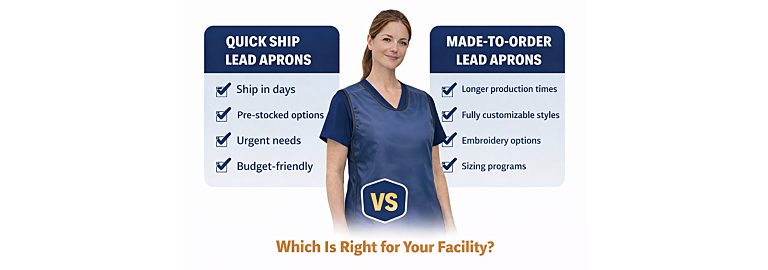
When purchasing radiation protection, one of the most common questions imaging departments face is whether to choose quick ship lead aprons or made-to-order garments. Both options serve important roles — but understanding the difference can help you make the right decision faster.


What Are Quick Ship Lead Aprons? Quick ship lead aprons are pre-stocked radiation protection garments available in popular sizes, limited styles, and limited colors. These products are designed to meet immediate needs and often ship within days rather than weeks or months.


They are Ideal for urgent replacement needs, new staff onboarding, temporary coverage, and budget-driven purchasing decisions


What Are Made-to-Order Lead Aprons? Made-to-order aprons are custom-produced based on specific sizing, material preferences, and design options. While they offer maximum customization, monogramming,  and color options, they also require longer production timelines.


Ideal for fully customized fit programs, long-term standardization initiatives, and specialty material, color, and size requirements


Why Many Facilities Choose Quick Ship First: With increasing staffing changes and tighter budgets, many facilities rely on in-stock radiation protection to maintain flexibility. Quick ship options provide immediate protection while still meeting high industry standards for radiation attenuation and durability.


The Smart Hybrid Approach is used by many imaging departments - using a combination of both Quick ship aprons for immediate needs and Made-to-order aprons for long-term planning. This approach minimizes downtime while still supporting future customization goals and also greatly helps on the bottom line for budgeting.


Get Help Choosing the Right Option. Whether you need protection right away or are planning ahead, working with experienced radiation protection specialists ensures you select the right solution — without unnecessary delays. Our customer service team is waiting to assist you. You can give us a call at 1-800-410-9575or email us at info@zzmedical.com.

View In-Stock & Quick Ship Lead Aprons

Why In-Stock Lead Aprons Matter More Than Ever in Medical Imaging
4 view(s)

Why In-Stock Lead Aprons Matter More Than Ever in Medical Imaging

In today’s fast-paced medical imaging environment, waiting weeks or months for radiation protection is no longer practical. Staffing changes, equipment upgrades, and unexpected compliance needs can arise quickly — and when they do, having access to in-stock lead aprons can make all the difference.


The Hidden Cost of Long Lead Times: Extended manufacturer lead times don’t just delay purchases — they can slow down patient throughput, delay onboarding new staff, create compliance concerns, and force departments to share or overuse aging aprons. For imaging teams already stretched thin, these delays add unnecessary pressure.


Why Quick Ship Radiation Protection Is Essential: Quick ship radiation protection allows facilities to respond immediately to real-world needs. Whether you’re replacing worn aprons, accommodating new hires, or responding to inspection findings, ready-to-ship lead aprons help keep departments moving forward without disruption.


What Can Be Available Quickly? Many commonly used radiation protection garments are often available in stock, including Front protection lead aprons, Full wrap aprons, Vest and skirt sets. Thyroid collars, Half aprons, and Hats/Caps. These options cover the majority of everyday imaging applications without requiring custom production timelines.


Expert Guidance Still Matters! Fast shipping doesn’t mean compromising on fit or function. Working with radiation protection specialists ensures you select the right style, size, and coverage level — even when time is limited.


If you’re searching for in-stock radiation protection, quick ship lead aprons, or fast delivery X-ray aprons, choosing a supplier with available inventory and expert support can help protect both your staff and your workflow.


Explore Quick Ship Radiation Protection Options

Who Is Most Sensitive to Thyroid Radiation? Understanding Risk & Protection in Medical Imaging
14 view(s)

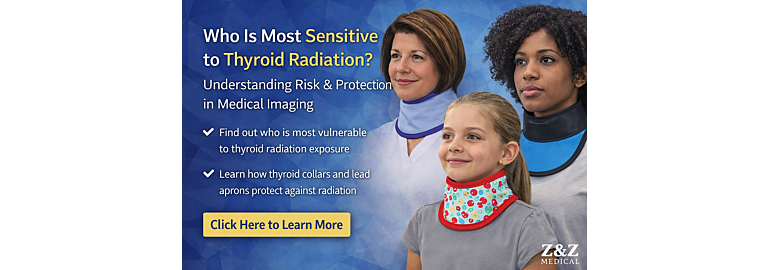
Who Is Most Sensitive to Thyroid Radiation? Understanding Risk & Protection in Medical Imaging

Who Is Most Sensitive to Thyroid Radiation — and How Do You Protect It?

The thyroid gland is one of the most radiation-sensitive organs in the human body. For healthcare professionals who work around X-ray, C-arm, and fluoroscopy equipment — and for patients who undergo imaging — understanding thyroid risk and protection is essential for long-term safety. Radiation exposure is unavoidable in modern medical imaging, but not everyone is affected the same way. Some people are far more vulnerable than others. Knowing who is most at risk — and how to protect them — helps facilities build safer radiation programs and protect their teams.


Why the Thyroid Is So Sensitive to Radiation

The thyroid is a small gland in the neck that regulates metabolism, growth, and hormone production. Its cells are particularly sensitive to ionizing radiation, which can damage DNA and trigger long-term health effects such as thyroid disease or cancer. Because of its location in the neck — close to many radiation beams used in imaging — the thyroid is especially vulnerable to scatter radiation during procedures like fluoroscopy, interventional radiology, and surgery guided by C-arm systems.


Who Is Most Sensitive to Thyroid Radiation?

Certain groups face significantly higher risk when exposed to radiation.

Children and Young Adults

The younger a person is, the more sensitive their thyroid tissue is. Growing cells divide rapidly, making them more vulnerable to radiation-induced damage. Exposure early in life can increase thyroid disease risk for decades.

Medical Professionals with Occupational Exposure

Radiologists, technologists, surgeons, and interventional specialists may be exposed to low-dose radiation daily for years. Long-term occupational exposure significantly increases the risk of thyroid dysfunction, autoimmune disease, and cancer.

People with Genetic or Thyroid Conditions

Individuals with a family history of thyroid disease or autoimmune disorders are more susceptible to radiation triggering thyroid problems. Even routine imaging can have a greater effect on predisposed individuals.

Women

Some studies suggest women may be more sensitive to radiation than men, particularly for thyroid-related effects. While research continues, it reinforces the importance of proper shielding.


Why Occupational Exposure Is a Major Risk

Procedures such as fluoroscopy, C-arm-guided surgery, and interventional cardiology create high levels of scatter radiation. Clinicians often work close to the radiation source for extended periods, placing the thyroid directly in the exposure zone.

Thyroid exposure increases with:

  • Time spent near the beam

  • Proximity to the patient

  • Frequency of procedures

Without shielding, radiation accumulates over years and creates measurable long-term risk.


How Radiation Exposure Is Reduced

Radiation safety follows three core principles:

Time – Minimize how long you are exposed
Distance – Stay as far from the source as possible
Shielding – Use protective equipment to block scatter radiation

For the thyroid, shielding is the most effective and practical protection.


How Effective Are Thyroid Shields?

A properly fitted thyroid collar dramatically reduces radiation reaching the neck. Research consistently shows thyroid shields reduce radiation dose by several times compared to no protection. In high-dose environments such as fluoroscopy, thicker thyroid shields (around 0.5 mm lead-equivalent) provide optimal protection. Lighter shields may be sufficient for lower-dose imaging such as routine X-rays, but shielding is still recommended because small doses add up over time. Fit matters just as much as thickness. A snug collar that wraps fully around the neck provides far better protection than one worn loosely.


How Thick Should Thyroid and Lead Protection Be?

For most clinical environments:

  • Thyroid collars: 0.25–0.5 mm lead-equivalent for X-ray, and 0.5 mm for fluoroscopy and interventional procedures

  • Lead aprons: 0.5 mm lead-equivalent provides up to 99% attenuation of scatter radiation

Facilities should always consult their radiation safety officer to ensure proper protection levels for each procedure and verify state regulations regarding protection as state laws vary.


Why Protective Garments Must Be Maintained

Even the best protective equipment fails if it isn’t cared for properly. Over time, lead garments can develop:

  • Cracks

  • Holes

  • Creases in the shielding layer

These defects can grow quickly and significantly reduce protection. Protective garments also collect bacteria, fungi, and viruses through daily use. Studies have found contamination on the majority of uncleaned lead aprons and thyroid shields — including organisms that cause serious infections.

That’s why facilities should:

  • Inspect lead garments annually

  • Store them properly on racks

  • Clean and disinfect them regularly

  • Replace damaged or worn equipment


Why Thyroid Protection Matters

Even low-dose imaging contributes to cumulative radiation exposure. A single chest X-ray delivers a small amount of radiation — but when multiplied across years of daily imaging, that dose becomes significant.

Radiation exposure is linked to:

  • Thyroid cancer

  • Hyperthyroidism

  • Thyroid nodules and disease


Protecting What Matters Most

The thyroid is one of the most vulnerable organs in medical imaging environments — but it is also one of the easiest to protect. By using properly fitted thyroid collars, maintaining protective garments, and following radiation safety best practices, facilities can protect their teams today while preventing serious health risks in the future.

At Z&Z Medical, radiation protection isn’t optional — it’s a commitment to long-term safety, compliance, and confidence. Have a question?  Email us at info@zzmedical.com

Shall we send you a message when we have discounts available?

Remind me later

Thank you! Please check your email inbox to confirm.

Oops! Notifications are disabled.