
How to Dispose of Lead & Lead-Free Aprons Safely | Radiation Protection Guide
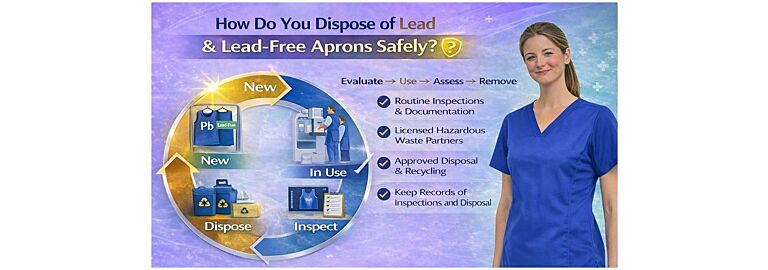
How Do You Dispose of Lead & Lead-Free Aprons Safely?
Radiation protection doesn’t end when an apron wears out. In fact, how you dispose of protective garments is also important. Lead aprons—and even lead-free alternatives—require proper handling at end-of-life to ensure staff safety, regulatory compliance, and environmental responsibility. At Z&Z Medical, we help facilities not only choose the right protection—but also understand what to do when it’s time to replace it.
Why Proper Apron Disposal Matters
Radiation protection garments are designed to shield—but when damaged or retired, they can become a liability if handled incorrectly.
- Lead aprons contain heavy toxic metals that must be managed carefully
- Improper disposal can lead to environmental contamination
- Regulatory agencies require controlled disposal methods
Simply put: these are not standard waste items.
When Should an Apron Be Removed from Use? Before disposal comes evaluation. A structured inspection process helps determine when an apron is no longer safe:
- Visible cracks, tears, or creasing
- Failed integrity testing (X-ray or fluoroscopic inspection)
- Worn areas that compromise protection
- Aging materials that no longer perform consistently
Regular inspections—at least annually—are key to maintaining safety and compliance.
How do you Dispose of Lead Aprons? Lead aprons must be treated as regulated or hazardous material depending on your location. Safe disposal options include:
1. Licensed Hazardous Waste Facilities that Accept lead-containing materials and follow strict environmental handling protocols
2. Recycling Programs that recycle lead for reuse and reduces environmental impact
3. Lead Apron Manufacturers often take-back lead aprons or provide disposal services and often include documentation for compliance
4. Professional Disposal Partners simplify logistics, documentation, and compliance and are often ideal for multi-location or high-volume facilities
BUT… It is very Important to never place lead aprons in regular trash or general waste streams!!!
What About Lead-Free Aprons? Do you have to recycle those too? Lead-free doesn’t mean disposal-free. These aprons are made with materials like Bismuth, Tungsten, Antimony or Composite blends. While often more environmentally friendly, they still require proper disposal or recycling based on material composition and local regulations. Keeping records of inspections and disposal is essential for audit readiness and compliance. A strong apron disposal process should include:
✔ Routine inspection and documentation
✔ Clear rejection criteria
✔ Inventory tracking of removed garments
✔ Approved disposal or recycling partners
✔ Staff training on reporting damage
Why It Matters More Than Ever: Radiation safety is about more than protection during procedures—it’s about total lifecycle management. From selection…to daily use…
to final disposal… Every step plays a role in protecting:
- Your staff
- Your patients
- Your facility
- Your community
At Z&Z Medical, we go beyond supplying products. We are Your Partner in Radiation Safety! We can help navigate options across multiple manufacturers and provide support across your department needs. Because safety doesn’t stop at the procedure—it continues every step of the way. Email us at info@zzmedical.com with any questions you may have.